The Precinct, zone by zone.
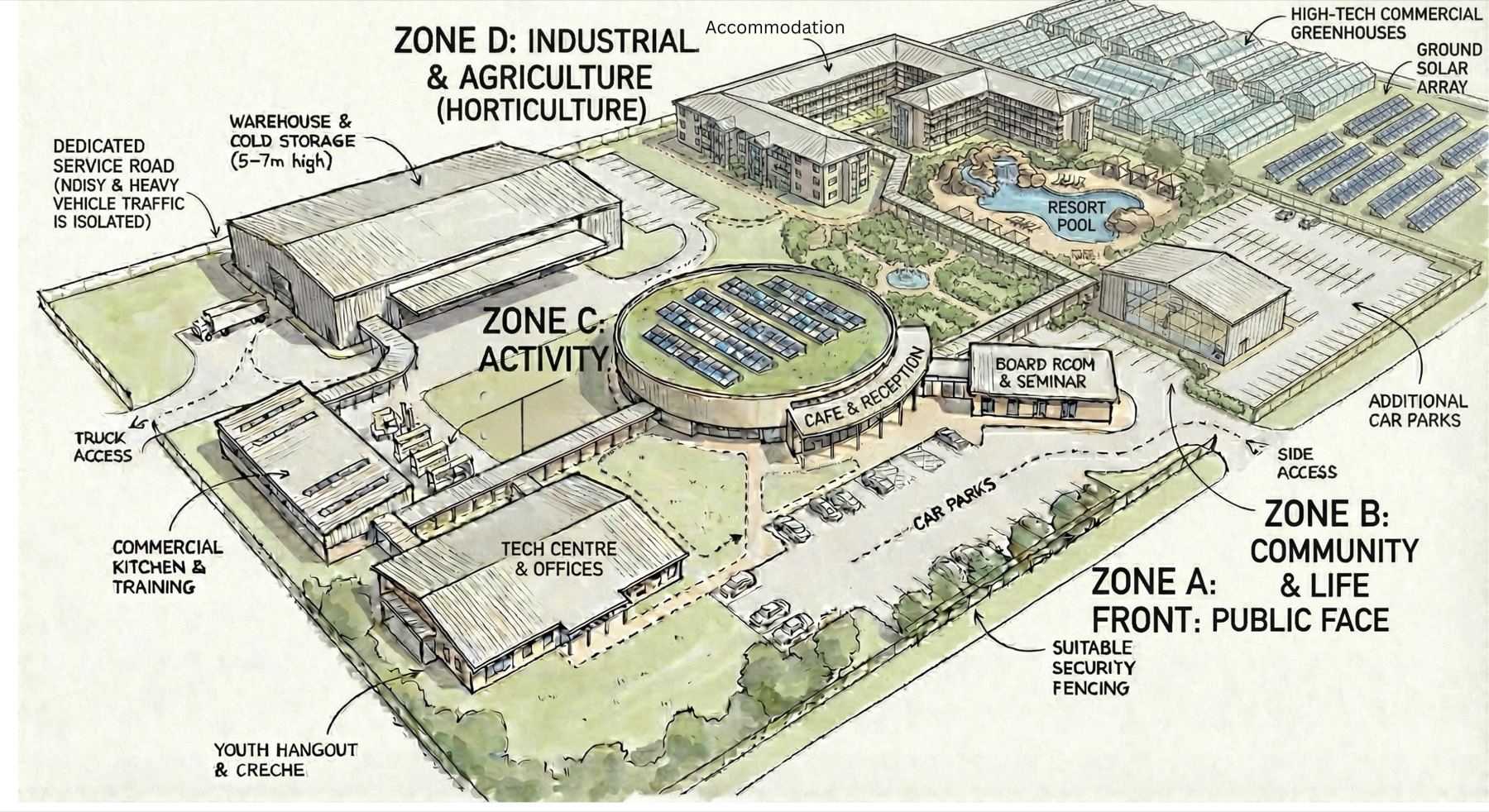
Six to eight hectares on the Gold Coast that receive, cook, grow, train, house, power and pay for the whole dream. This page walks the masterplan the way a visitor would.
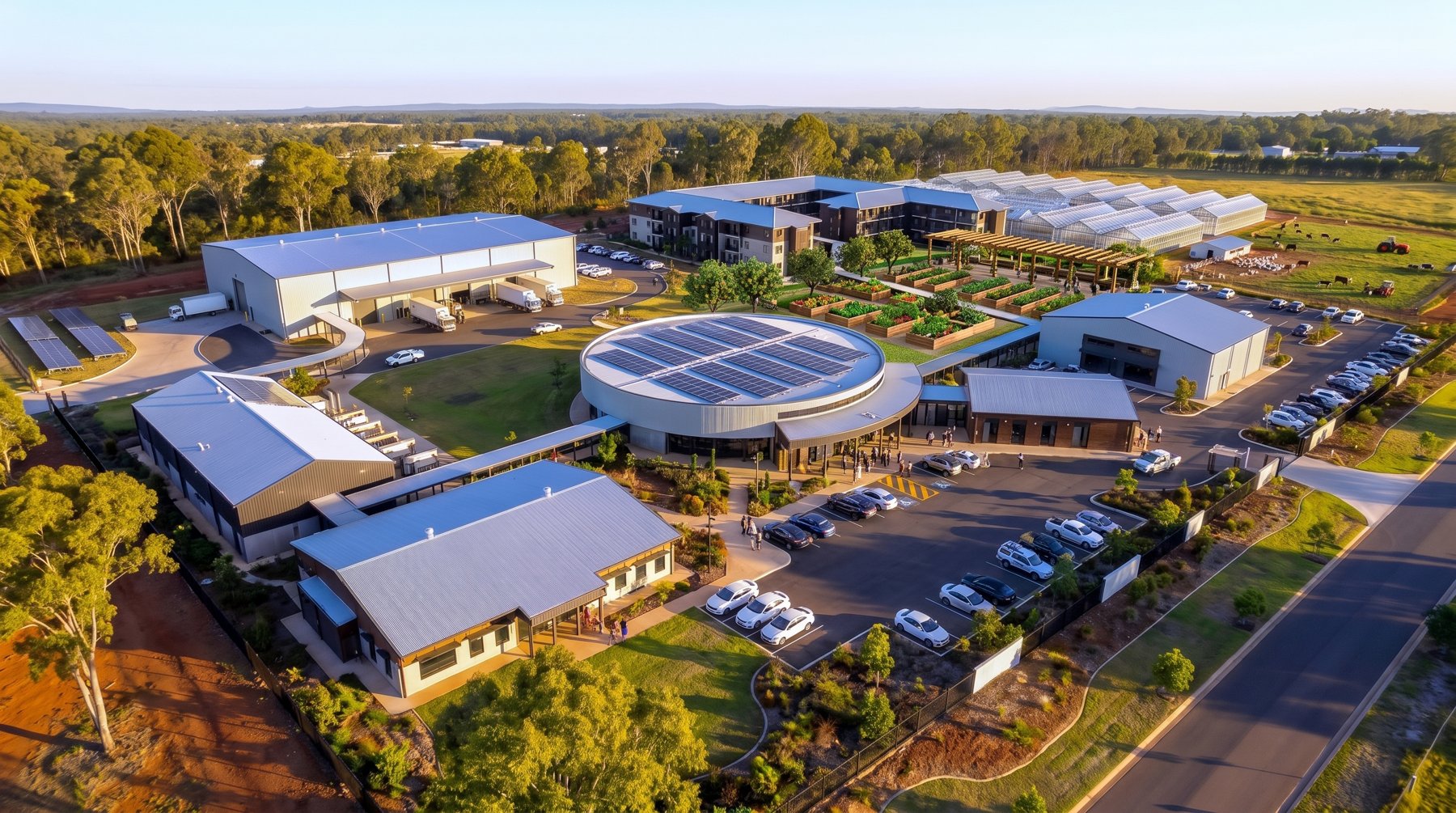
Arrival at dusk · the first view a visitor gets of the working site · concept imagery
Where visitors arrive.
The site meets the street with car parks, landscaping and a clear way in. Security fencing protects the working assets behind it, because cold rooms, trucks and equipment deserve the same care as any industrial site. Side access keeps event days and training intakes moving.
Everything a visitor touches first is in this zone, and it is deliberately ordinary. The extraordinary parts are behind it.
Where people stay.
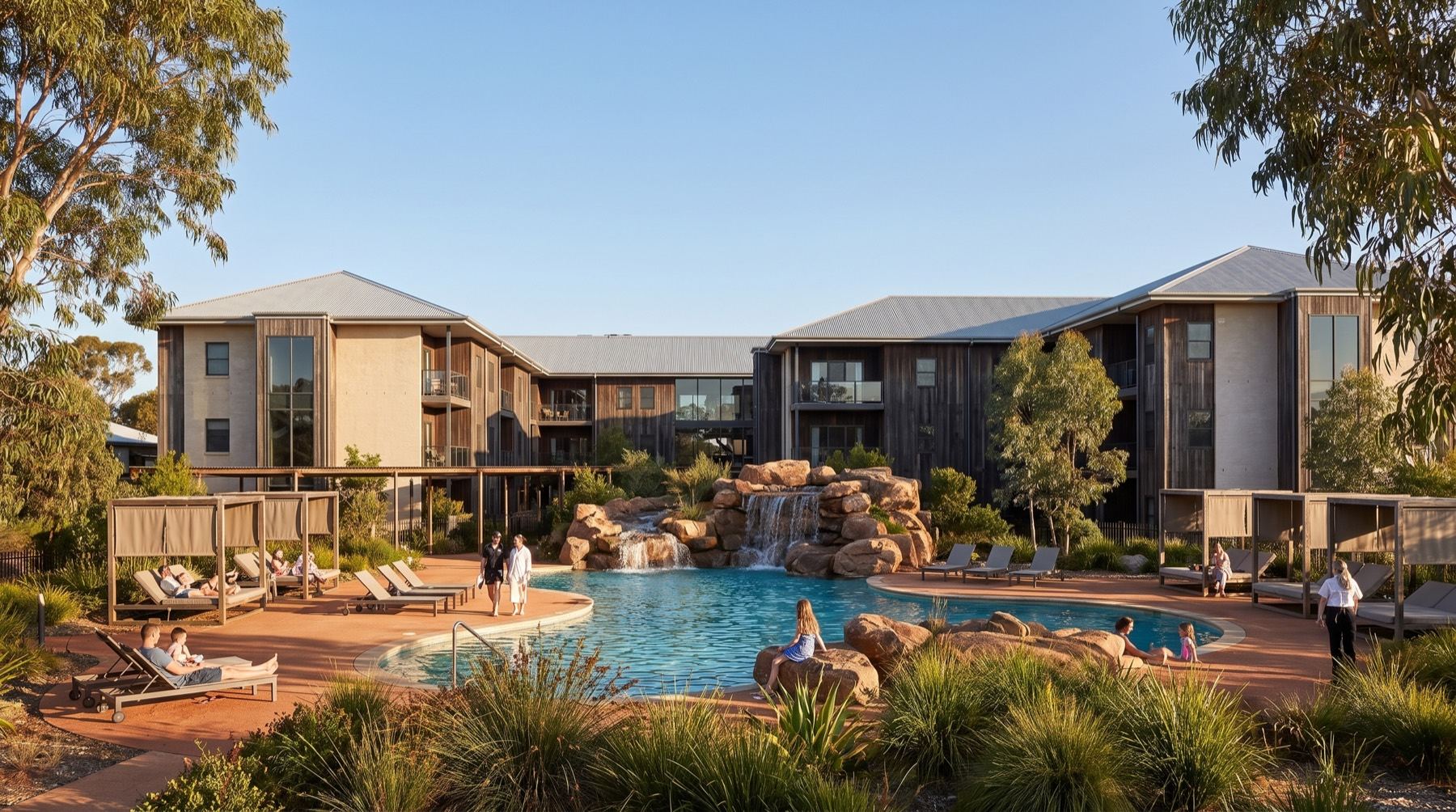
Accommodation blocks around landscaped gardens, with a resort pool in the full masterplan. Stage one builds 34 rooms for trainees who travel down, community coming through, researchers in residence and commercial guests.
The commercial logic is straight. Regional Queensland accommodation runs at strong occupancy and rates, and every commercial guest subsidises a training bed. The pool and the balance of the rooms are stage two, funded by the site's own earnings rather than the first hundred million.
Rooms in stage one, costed against the verified Queensland benchmark of $120,000 to $180,000 a room
Stage one accommodation budget, inside the precinct's $38 million
Pool, gardens and the remaining blocks, funded from operations, not the raise
The kitchen, the labs and the cafe.
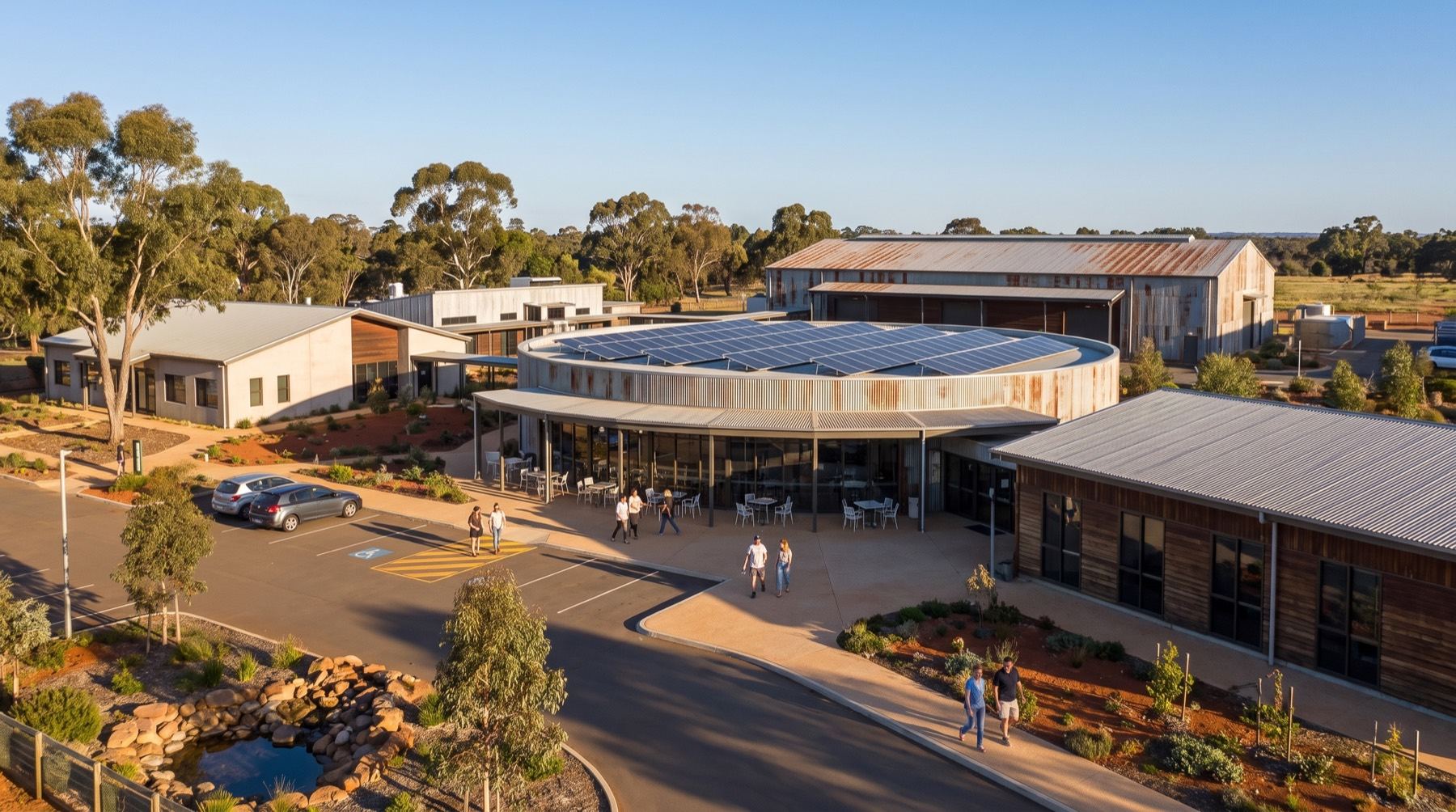
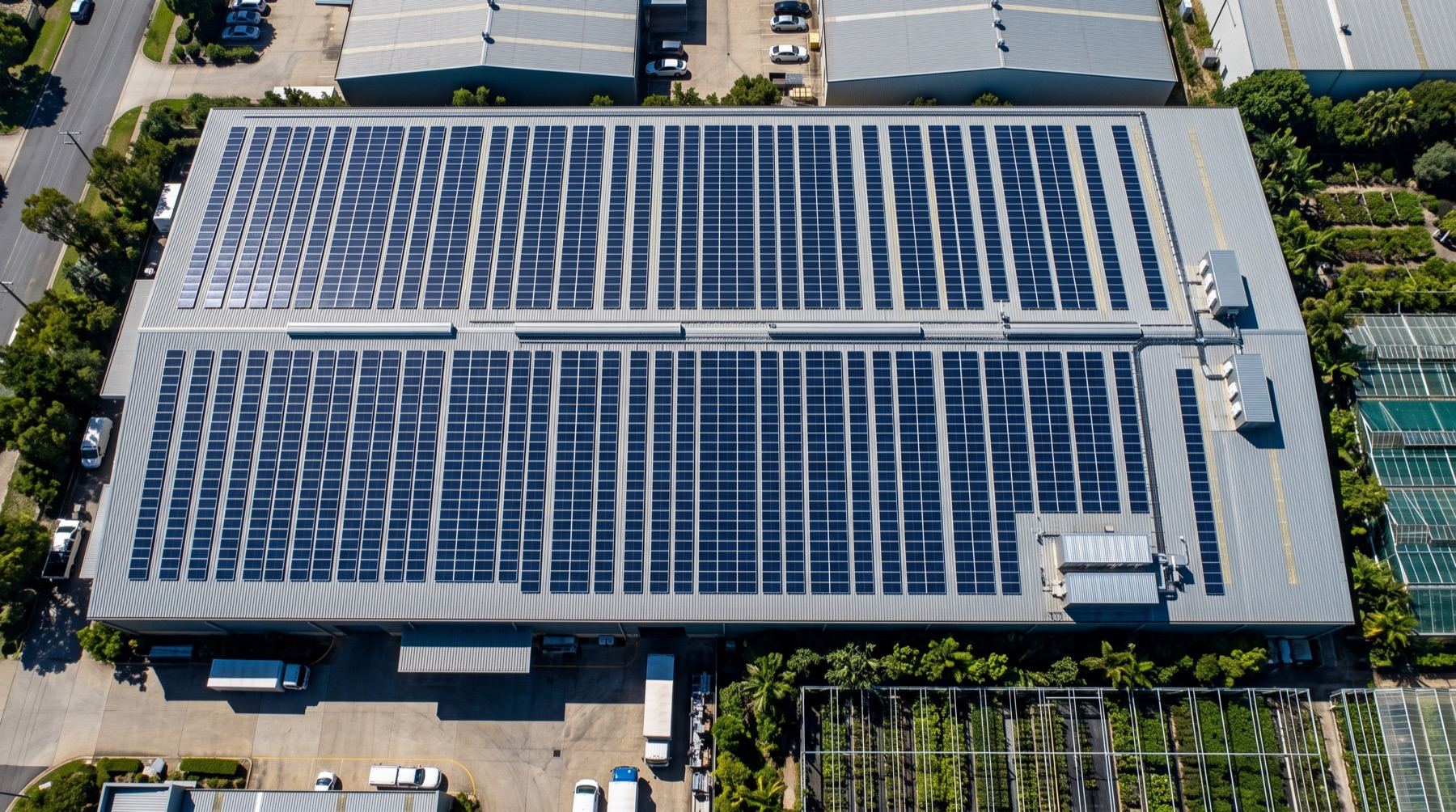
A circular cafe and reception under a rooftop solar array, where anyone can eat what the precinct grows and cooks. Around it, the rooms where the work happens.
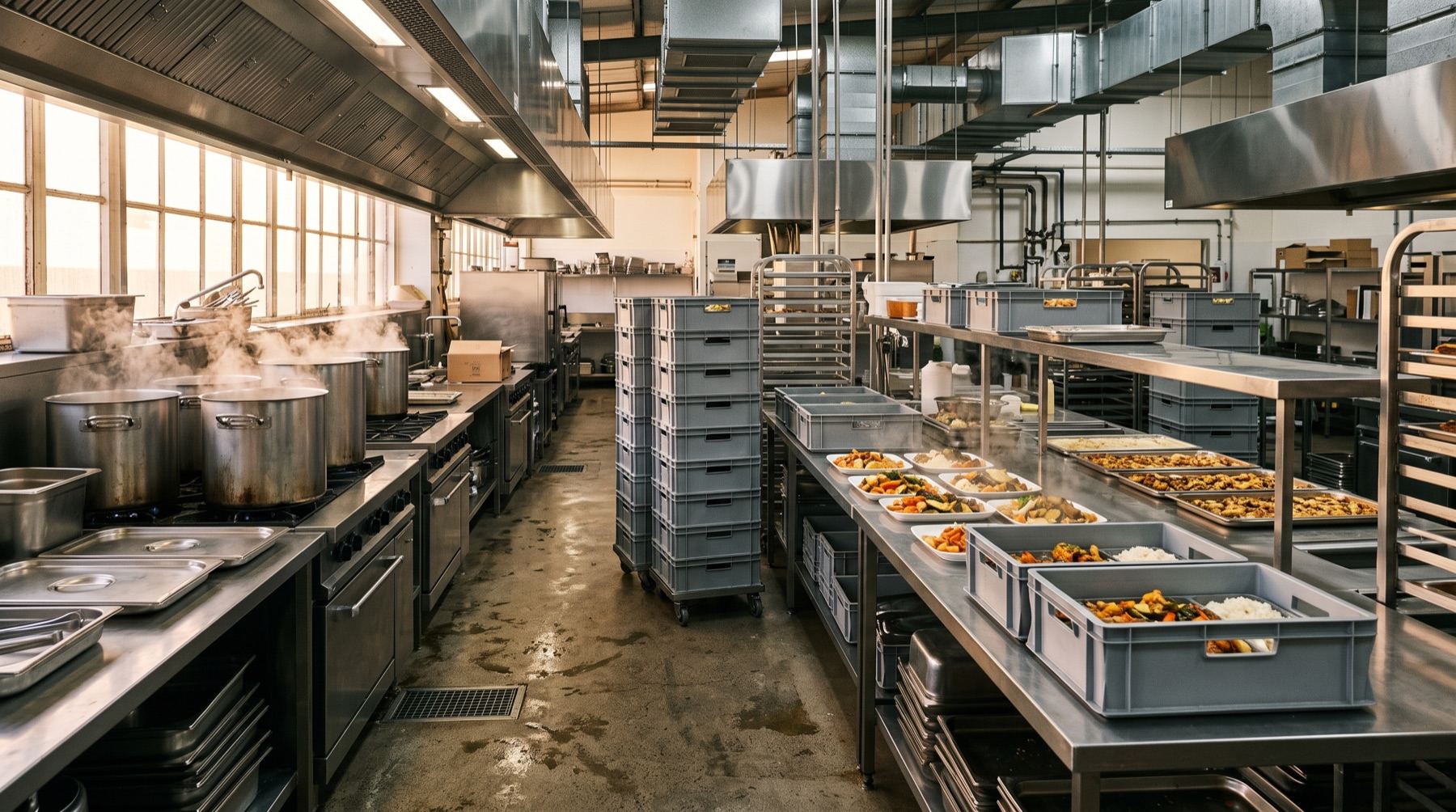
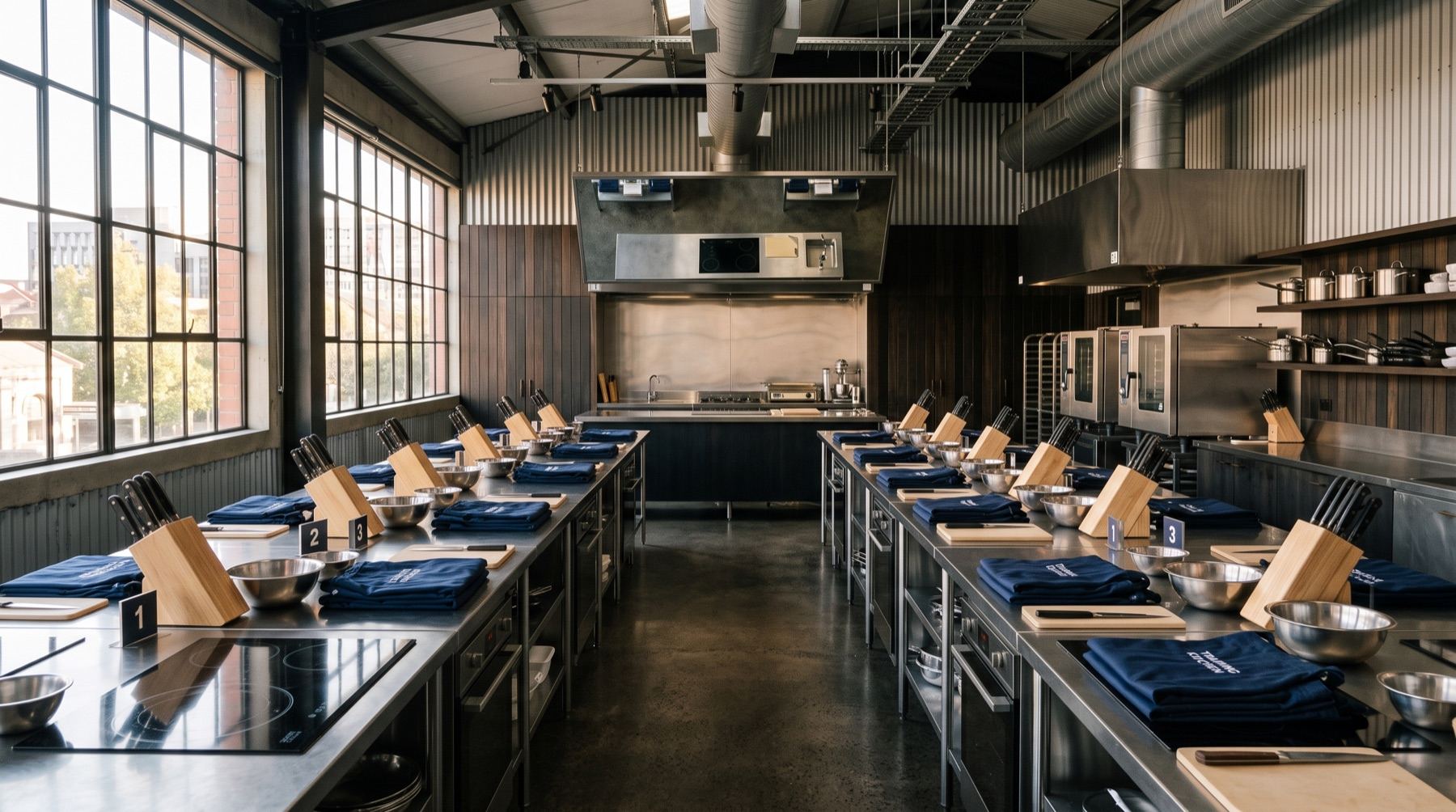
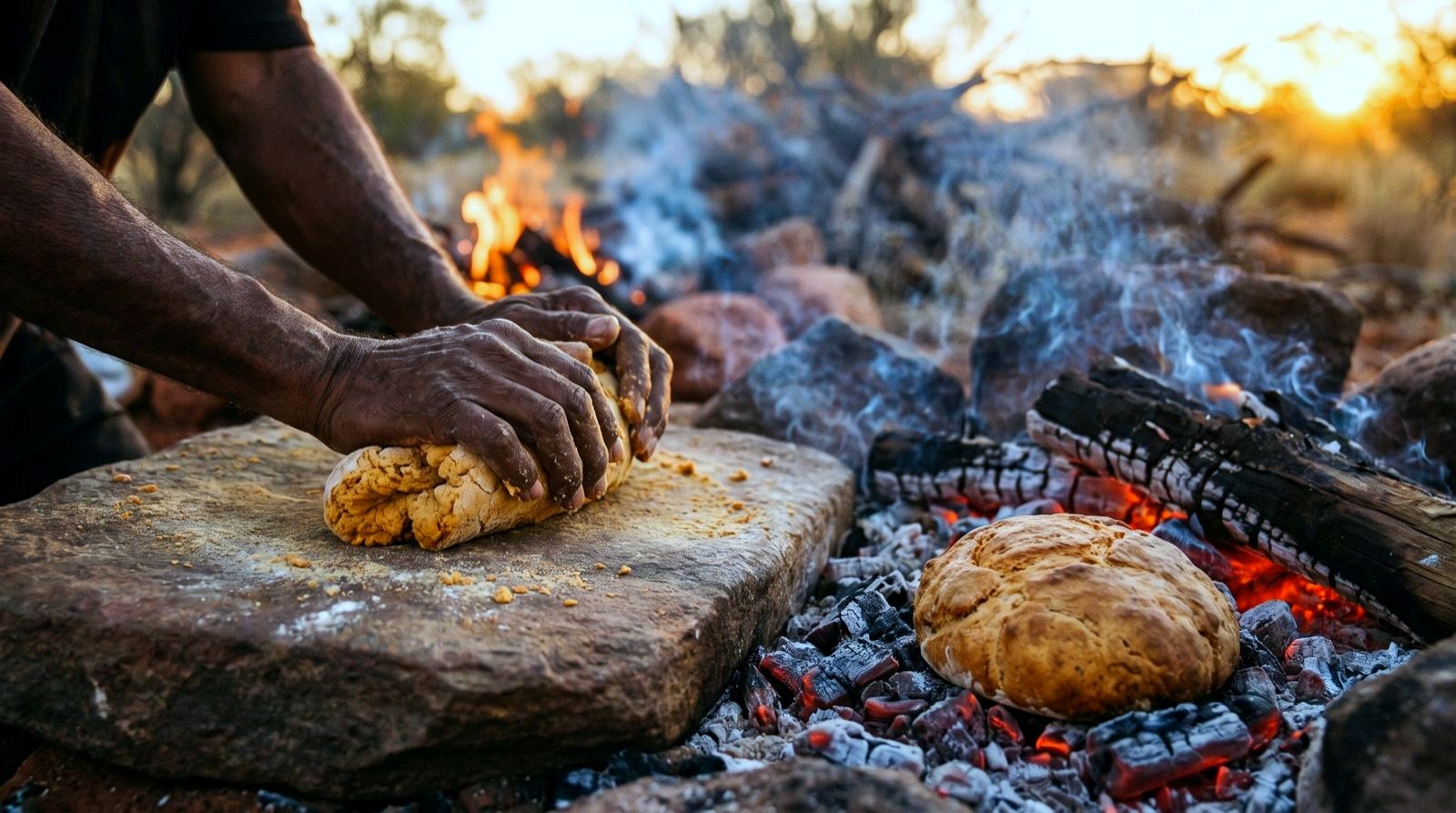
A production kitchen built to the model FareShare has proven in Brisbane, where a $4.5 million to $5 million build supports up to five million meals a year. Ours cooks for the caterer, for food products, for the freight line, and it doubles as the training floor.
Native food research and incubation labs, project offices, and co location space so other food security social enterprises can rent a desk beside the people who move the freight.
Governance happens on site. Community representatives, researchers and partners meet where the work is, not in a city tower.
A place for kids while parents train and work, and a place for young people, full stop. Community life is designed in from day one, not added when someone remembers.
The warehouse and the greenhouses.
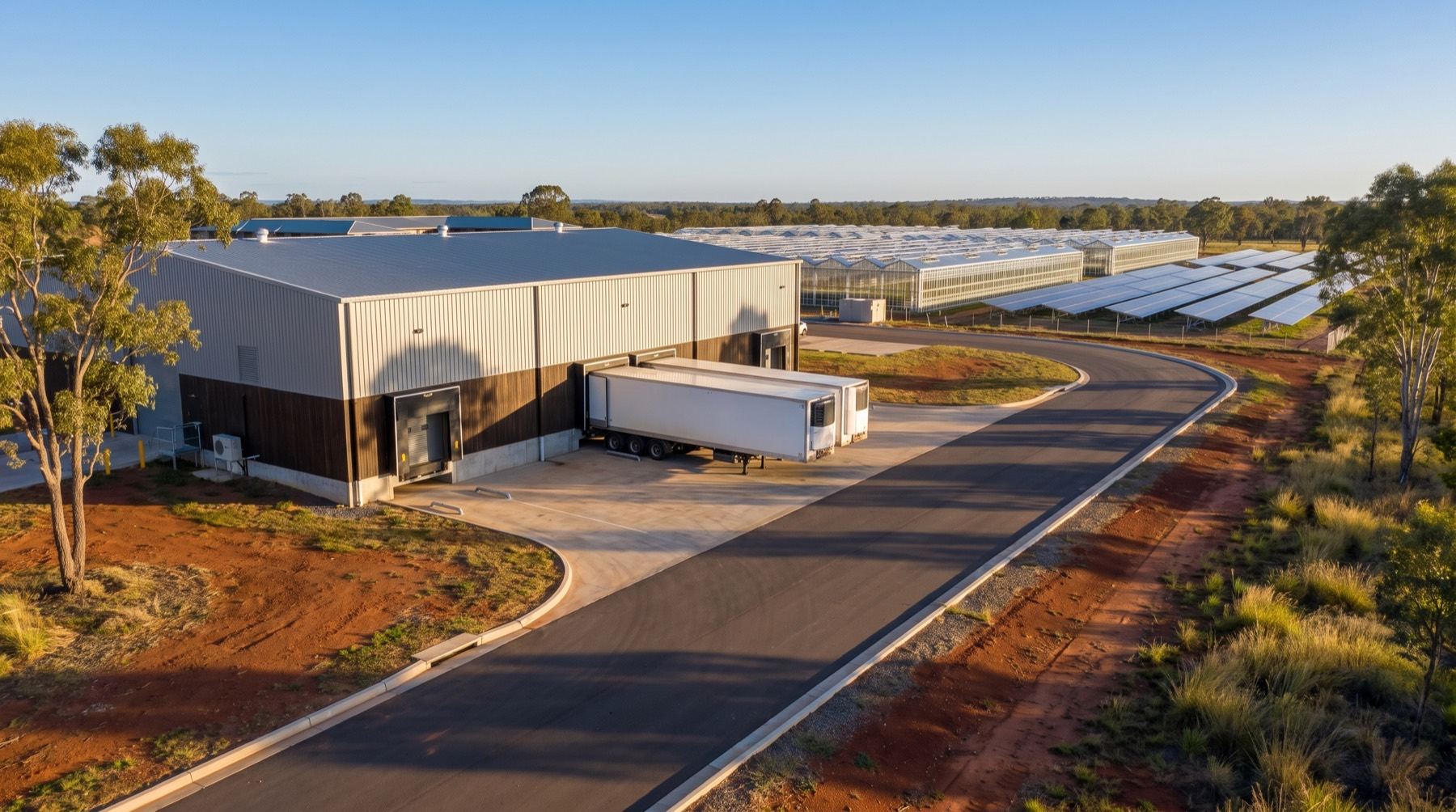
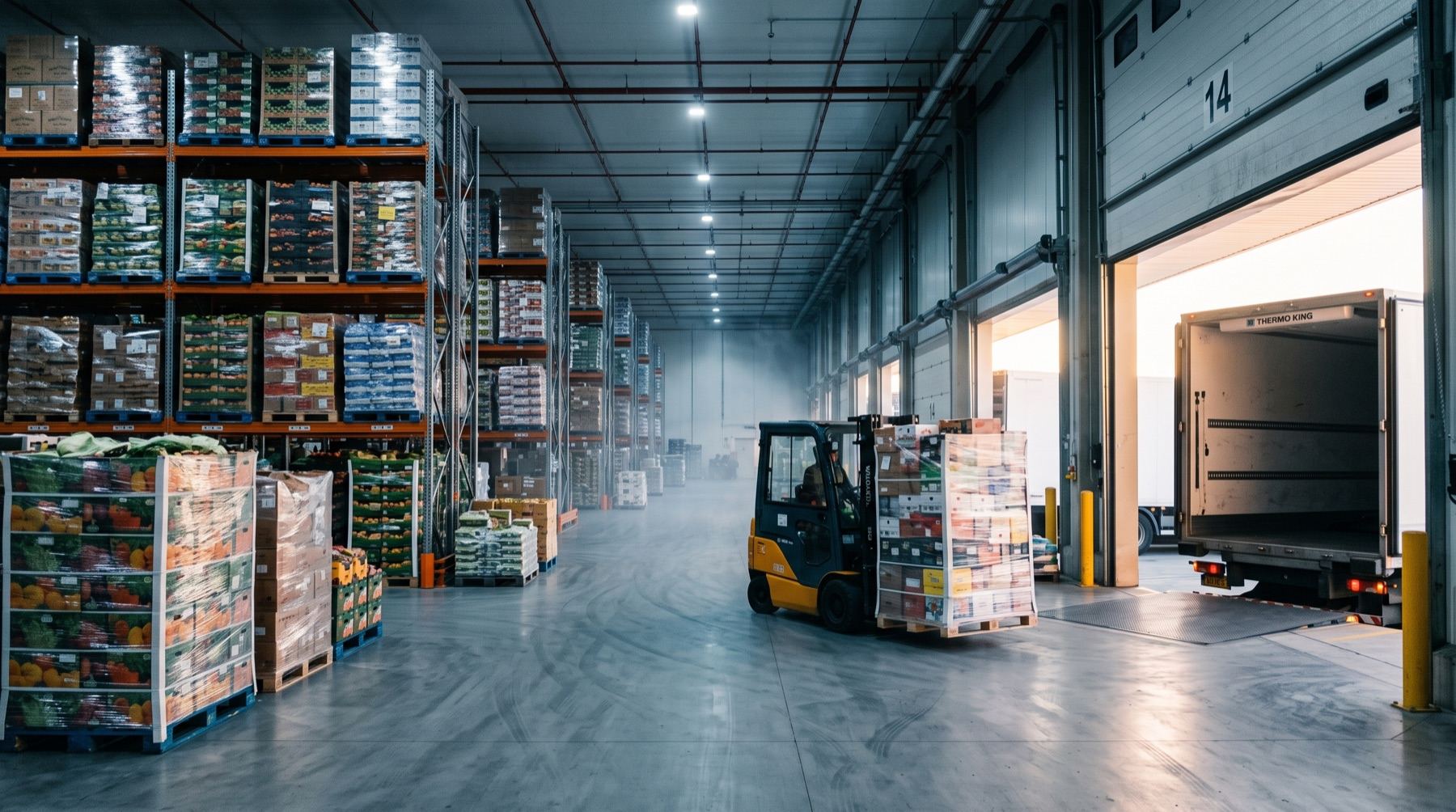
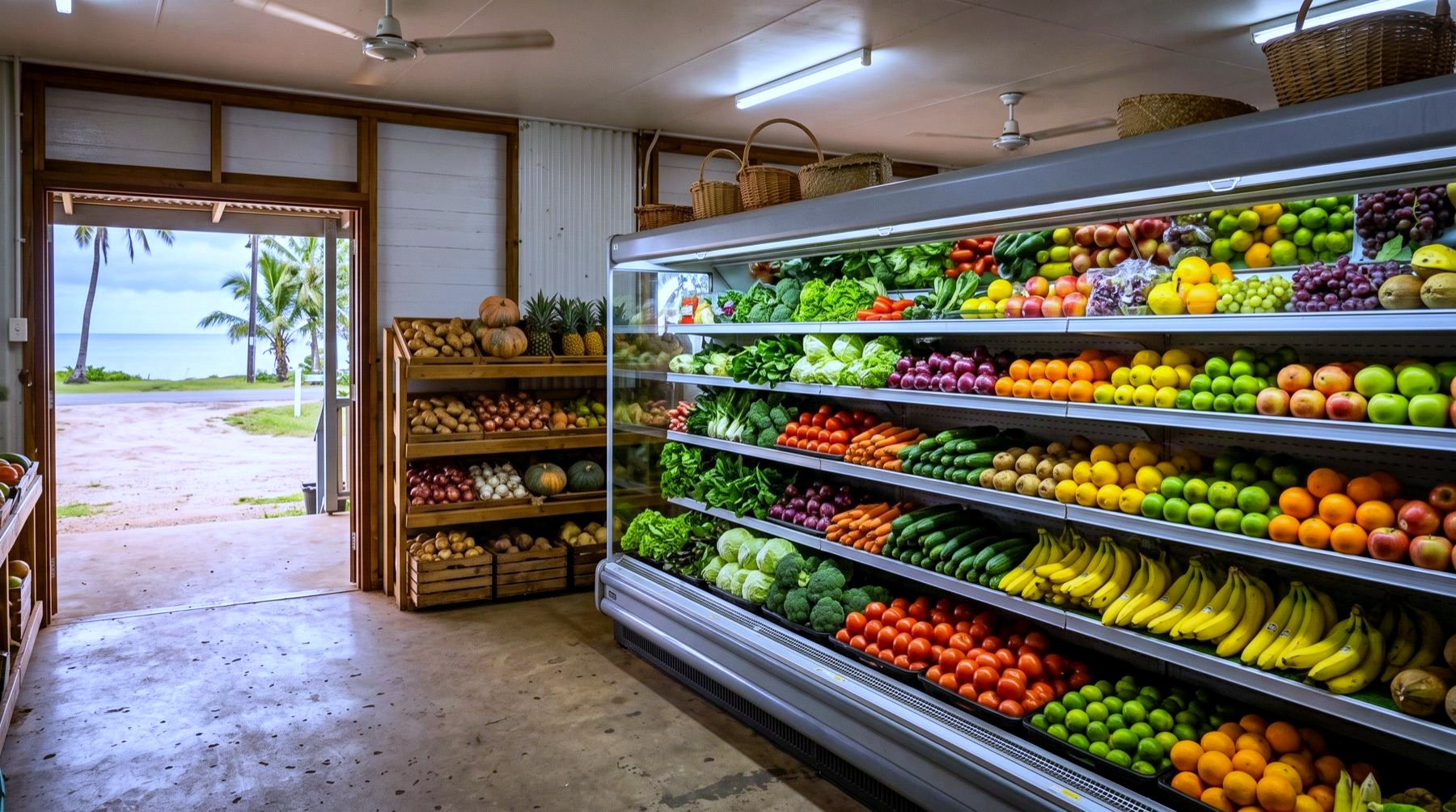
A five to seven metre high bay warehouse with ambient, chilled and frozen rooms receives fleet freight and donated food. A dedicated service road isolates the noise and the heavy vehicles from everything else on site. Trucks come and go without crossing a playground.
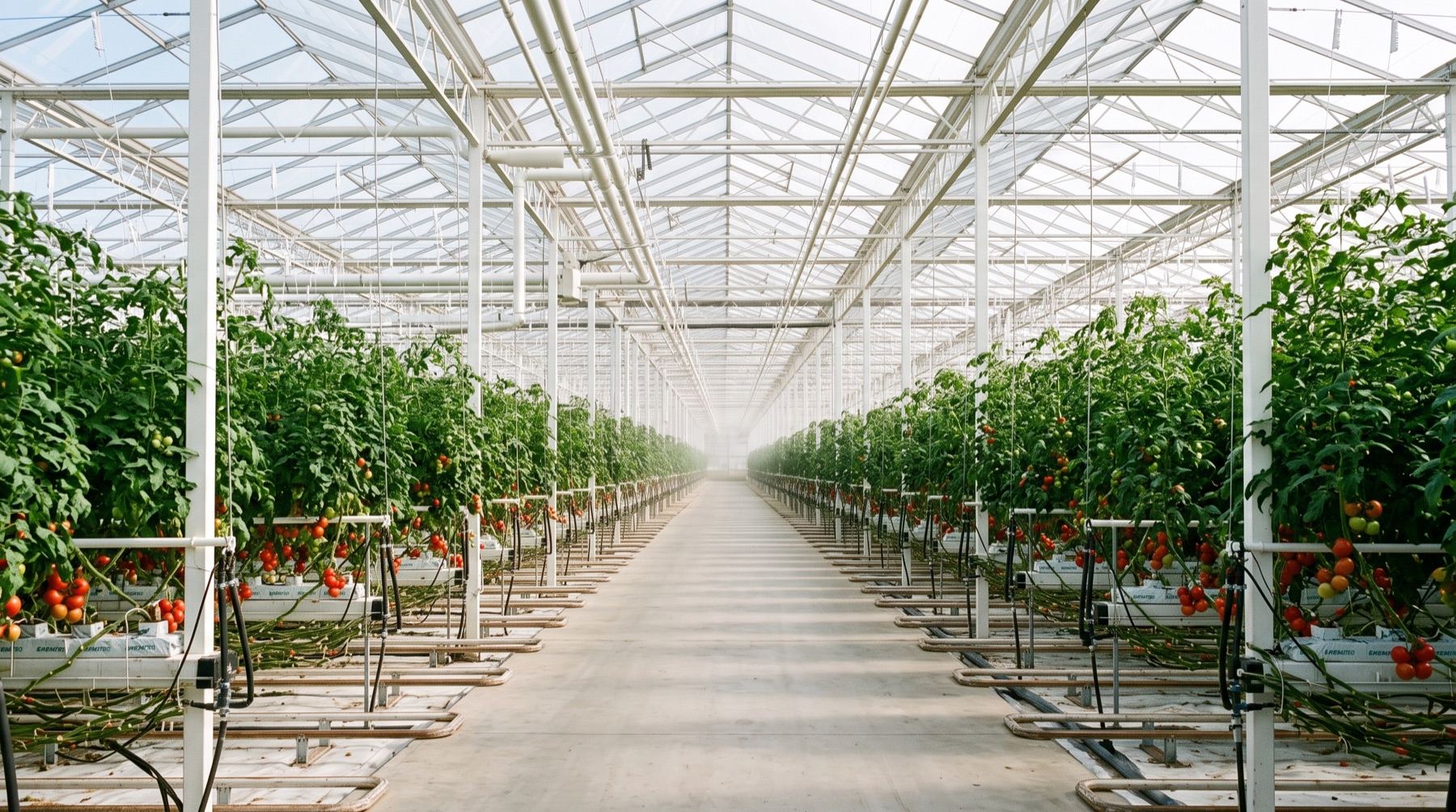
Beside it, 1.4 hectares of high tech greenhouses grow fresh produce for the kitchen, the caterer and the freight line, with trial rows for native food cultivation. And under all of it, energy: a ground solar array and rooftop panels totalling 1.5 megawatts with storage, running the cold rooms and charging the fleet from the site's own sun.
Warehouse and cold storage, ambient to frozen
High tech greenhouses, verified benchmark $4M to $8M a hectare
Solar with battery storage, precinct and fleet
Warehouse clearance, with a dedicated heavy vehicle service road
$38 million, line by line.
Central case figures. Each one carries its basis: verified benchmarks from the public record, or indicative planning estimates awaiting quotes. The full assumptions live in the costings workbook.
| Component | Central case | Basis |
|---|---|---|
| Land, 6 to 8 hectares, northern Gold Coast corridor | $6.5M | Indicative. Site dependent, awaiting agent search and due diligence |
| Warehouse and cold storage, 4,000 sqm mixed ambient, chilled, frozen | $6.5M | Indicative, against verified benchmarks: ambient $500 to $1,500 a sqm, chilled $1,400 to $2,200, freezer $3,400 to $3,600 |
| High tech greenhouses, 1.4 hectares, staged | $7.5M | Indicative, against the verified benchmark of $4M to $8M a hectare from recent Australian projects |
| Solar and storage, 1.5 MW ground and rooftop | $2.5M | Indicative, against the verified benchmark of around $1,344 a kilowatt utility scale, plus storage |
| Zone C buildings: kitchen, tech centre, cafe and reception, board room, youth and creche | $10.0M | Kitchen verified against the FareShare Brisbane build. Balance indicative at commercial rates |
| Accommodation, stage one, 34 rooms | $5.0M | Indicative, against the verified benchmark of $120,000 to $180,000 a room, traditional build |
| Zone total | $38.0M | Inside the $100M plan. Contingency held centrally |
Five ways the precinct earns money.
- Catering and food products, through Love Ya Corporate Catering and the kitchen: about $8M a year
- Accommodation: about $2.5M a year
- Training delivery: about $1.5M a year
- Tenancies and co location: about $0.8M a year
- Energy savings and export: about $0.9M a year
- Precinct total: about $13.7M a year
The group's other two revenue lines, sea freight at about $14M a year and road freight at about $8M a year, sit with the Sea and the Road, taking group revenue to about $35.7M a year at year ten.
Training runs through the group's registered training organisation pathway. The application is with the regulator now, and a Certificate III in Food Security is being developed for accreditation, so the people who run this infrastructure can be trained inside it.
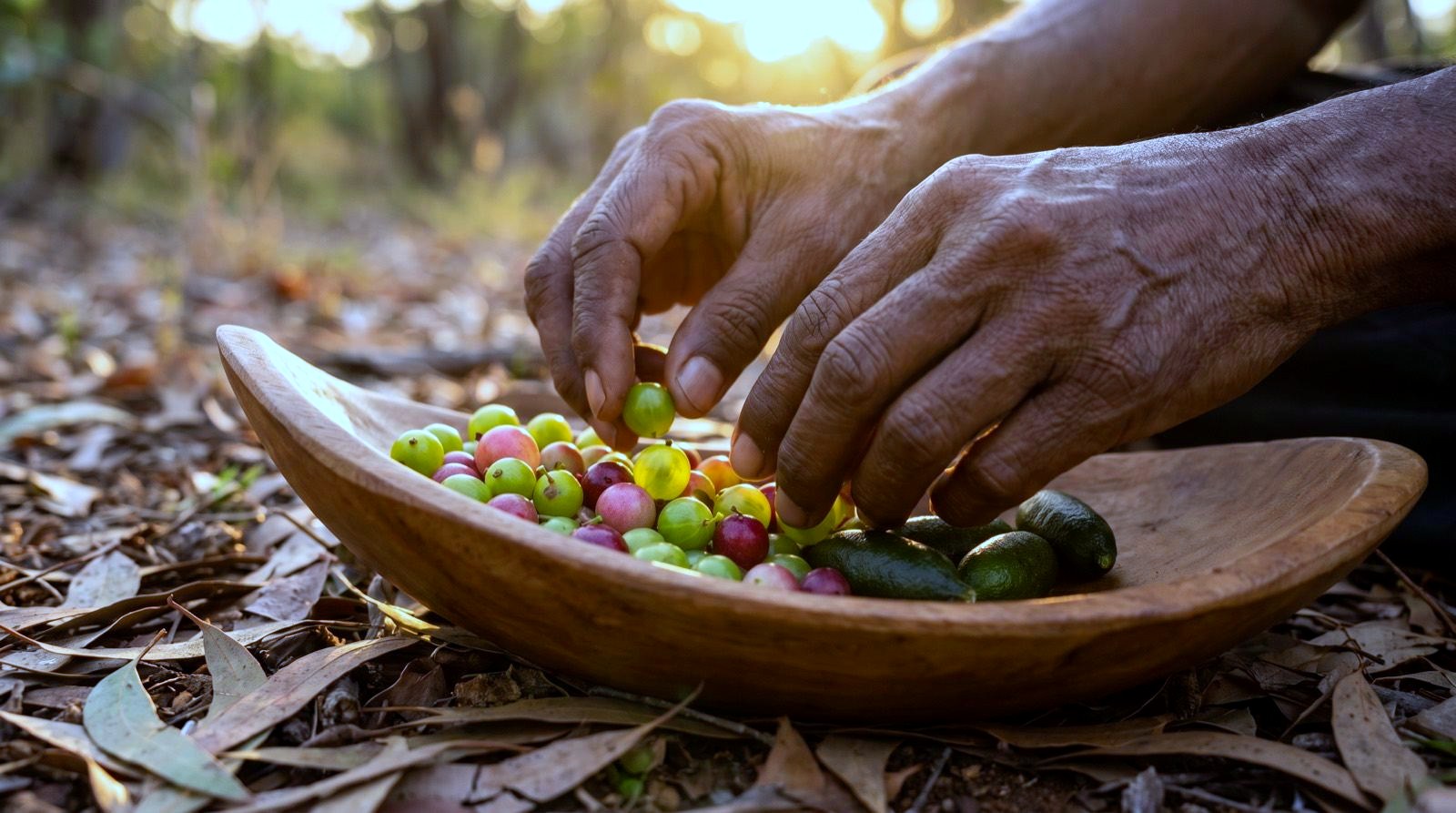
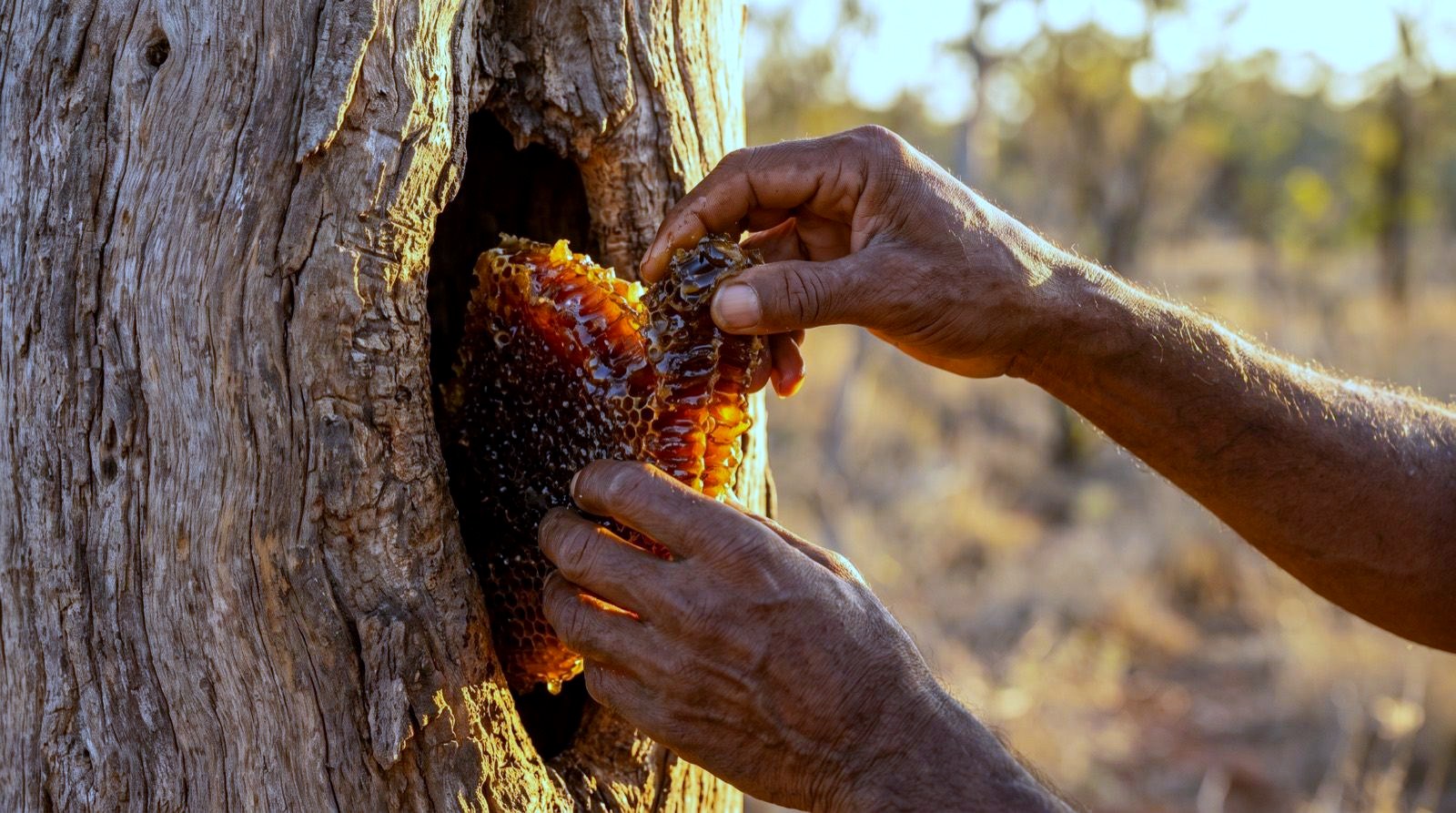
And the labs have one number pinned to the wall. First Nations people hold under 3 per cent of the businesses in a native foods industry built entirely on First Nations knowledge. The incubator exists to move that number, enterprise by enterprise.
It starts earning the day the slab is poured.